Serving Buford, GA and surrounding areasOpen 24 Hours, Every Day  ·  (470) 516-0618
Call (470) 516-0618
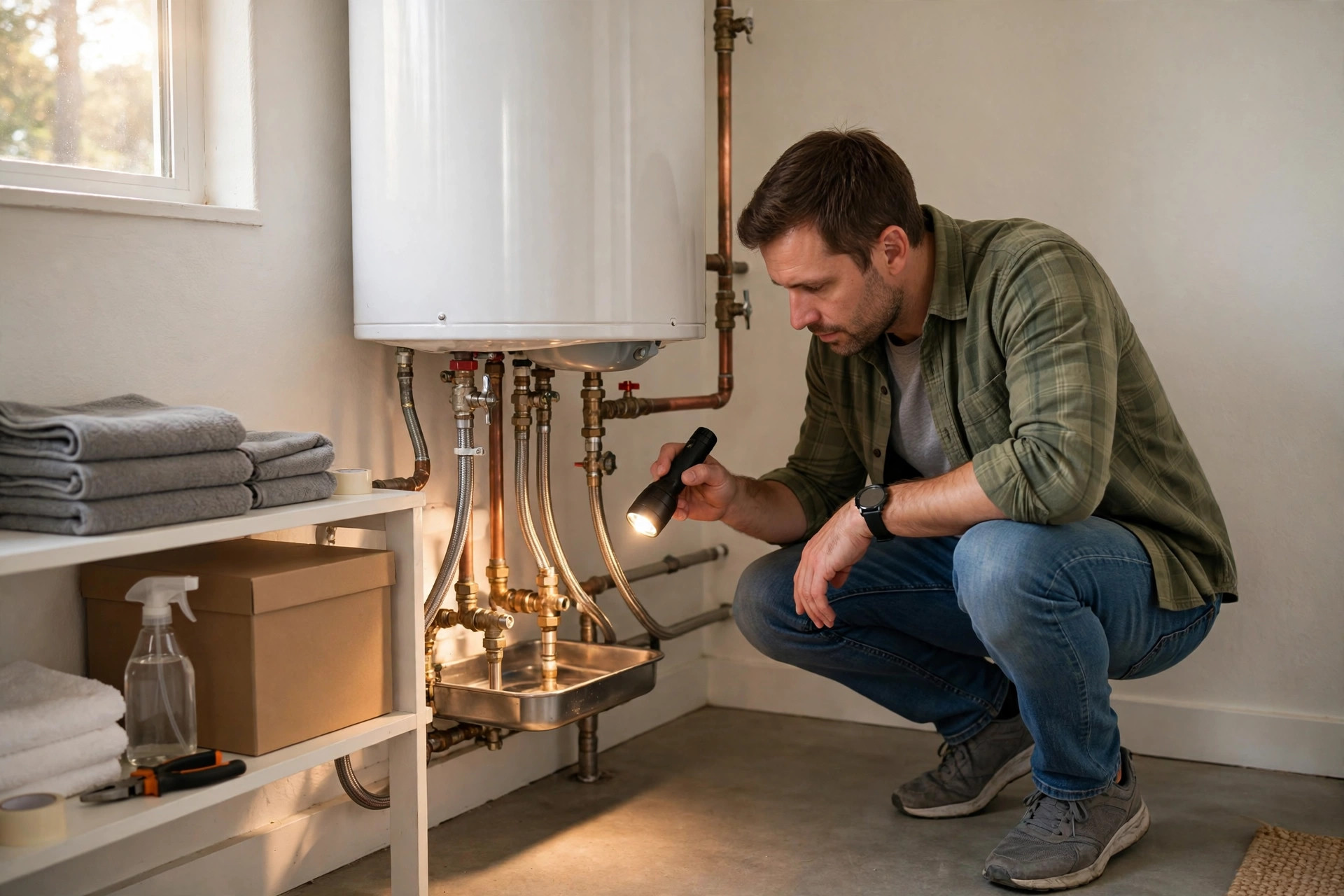
homeowner inspecting a water heater during a prevention check
Home › Water Damage Prevention

How to Prevent Water Damage in a Buford, GA Home

Most water damage is a sudden event acting on an unmaintained system. Prevention is maintenance plus fast response - organised here as a routine any homeowner can actually run.

Call (470) 516-0618

This guide consolidates every prevention section on this site into the full system: the five layers, the risk-area map, and the seasonal checklist for a Georgia home.

Its limit is stated up front, because a guide that hides its limits teaches nothing: prevention reduces risk. It does not eliminate it. That is why the last layer of the system is not maintenance at all - it is response.

What Is Water Damage Prevention?

Water damage prevention is the set of inspections, maintenance habits and monitoring practices that stop water from damaging a home - or catch it while the damage is still small.

It has two halves, and the guide is organised by them. Stopping events: maintenance of pipes, appliances, roof and drainage. Limiting events: detection, shut-off knowledge, and fast drying inside the EPA's window when something fails anyway. The five steps below are those halves as a routine.

Water Damage Prevention Process: 5 Steps

1

Inspect the Water Systems Twice a Year

Walk the home's water systems on a fixed, twice-yearly pass: under every sink, around the water heater, behind the washer, at the HVAC condensate line, in the basement and crawl space. The risk-area list below is the checklist for the walk; the habit and its cadence are the step.

2

Maintain the Parts That Fail Quietly

Washer supply hoses replaced on the manufacturer's schedule - rubber hoses are the classic quiet failure. The water heater inspected and flushed per its manual. Condensate lines cleared. Caulk and grout renewed in wet rooms. Lifespans in this guide follow manufacturer guidance; no universal year counts are invented.

3

Control Indoor Humidity

Hold indoor relative humidity below 60 percent - ideally between 30 and 50 percent, per the EPA. Ventilate bathrooms and kitchens, dehumidify basements and crawl spaces where readings run high, and measure with a hygrometer: humidity you cannot see is still moisture, working on the home every day.

4

Move Water Away From the House

Gutters and downspouts clear and extended, grading sloped away from the foundation, the sump pump tested with a battery backup considered, window wells and stairwell drains cleared before storm season. The exterior is a system, and it fails as one.

5

Know Your Shut-Off and Respond in the Window

Every adult in the home knows the main valve's location. After any leak: dry wet materials inside 24 to 48 hours, per the EPA, and treat standing water as an emergency rather than a weekend job. When a loss exceeds the window or the room, water mitigation is the response this layer points to.

The Highest-Risk Areas in a Buford Home

The Water Heater

Age, corrosion at the fittings and a failed drain pan turn the heater into a whole-room release. On the pass: rust, moisture at the base, pan and drain state.

Washing Machine Hoses and Connections

Pressurised lines ageing out of sight - the highest-frequency preventable release in homes. On the pass: cracks, bulges, and shut-off valves that actually turn.

Under-Sink Supply Lines and Fixtures

Slow drips wet cabinets and subfloors for months - the gradual pattern. On the pass: a dry-touch test at every fitting. Dry is data.

Roof, Gutters and the Foundation Line

The exterior triangle: shingles and flashing above, gutters moving the water, grading finishing the job. Checked before storm season and after it.

Basement, Crawl Space and the Sump Pump

Below-grade moisture is chronic, not episodic. On the pass: the sump test, the ground-cover state, and a humidity reading with a number attached.

The Buford Seasonal Prevention Checklist

Georgia's year has four water seasons, and each loads a different system:

SeasonChecks and ActionsWhy in Buford
SpringRoof and gutter check, sump pump test, downspouts extendedThe heavy-rain season is ahead - exterior systems take the load first
SummerHumidity discipline at its hardest, HVAC condensate line check, vacation shut-off habit for tripsGeorgia humidity peaks; condensate volume peaks with it
FallGutters cleared after leaf fall, hose bibb shut-offs, water heater check before the holidaysLeaves load the gutters; guests load the plumbing
WinterInsulate exposed pipes in attics, crawl spaces and exterior walls; know the valve; drip faucets and open cabinets in hard freezesCold snaps are short here - and sufficient for an uninsulated line

Leak Detectors and Automatic Shut-Off Valves: Are They Worth It?

Two classes of device, described by mechanism and without brands. Point sensors sit under sinks and at the water heater: inexpensive, alarm-only, useful exactly where the risk-area list points. Whole-home systems monitor flow and close the main valve on abnormal patterns: a larger intervention that converts a running leak into a stopped one while nobody is home.

Their real limit is also their real value, and it is the same fact: detectors limit events, they do not prevent them. A sensor over a burst hose buys minutes - and inside the EPA's 24 to 48 hour economy, minutes are the currency everything is priced in. The criteria that justify the investment: a prior loss, a finished basement, frequent travel, older plumbing. Outside those, the twice-yearly pass remains the foundation, and the devices are its supplement, not its replacement.
What Is the Single Most Common Preventable Cause of Water Damage?

Slow, hidden leaks and failed appliance hoses - the gradual class. The pattern the cause data across this whole site shows is consistent: the burst pipe is more dramatic, but the drip is more common, and far more preventable, because it runs for weeks inside walls and cabinets while nobody looks.

The twice-yearly pass exists for exactly this class of failure. A stain found by a hand on a scheduled Tuesday is a fitting replaced for the price of a fitting; the same stain found by a smell in month three is a wall, a floor and a mold assessment.

Your Annual Prevention Calendar, Compressed

Two full passes a year, run against the seasonal table. Two seasonal triggers that override the calendar: storm season and the first hard freeze. And a monthly micro-check that takes two minutes: the under-sink touch test, and a glance at the water bill for a rise nobody can explain. The table above owns the detail; this rhythm is the part to remember.

Water Damage Prevention Questions

How often should washing machine hoses be replaced?

On the hose manufacturer's schedule - and immediately at the first signs of age: cracks, bulges, corrosion at the fittings. Braided stainless hoses are the common upgrade, named by type rather than brand. This guide refuses to print a universal year count the sources do not support; the inspection rule - eyes and hands on the pass, twice a year - is the actionable answer.

What humidity level prevents mold and moisture damage?

Below 60 percent relative humidity - ideally between 30 and 50 percent. Those are the EPA's numbers, measured with a hygrometer and held with ventilation and dehumidification where the home runs high, as Buford basements and crawl spaces do through a Georgia summer.

Should I turn off the water when I travel?

For trips beyond a few days, yes: shutting the main valve, and draining the pressure as your home's setup requires, converts a potential week-long release into a puddle. It is the cheapest risk reduction in this guide. One check comes first - homes with automatic systems, such as fire sprinklers or certain HVAC equipment, confirm those dependencies before the valve becomes a habit.

After Any Leak: The 48-Hour Rule

Related Water Damage Services in Buford

Why Buford Chooses Us for Water Damage Prevention

24/7 emergency response, every day of the year

Local Buford team for Gwinnett and Hall counties

One team from mitigation to final restoration

Drying verified by moisture readings and moisture mapping

Documentation prepared for your insurance claim

Clear next steps and updates at every stage

Water Damage Prevention Service Areas Near Buford, GA

Historic Downtown BufordHamilton MillMall of Georgia areaBogan Park areaLake Lanier Islands areaBuford Dam area
Sugar Hill, GASuwanee, GAFlowery Branch, GADuluth, GAOakwood, GALawrenceville, GABraselton, GAGainesville, GA

Based in Buford (ZIPs 30515, 30518, 30519), serving Gwinnett and Hall counties. The full service-area treatment is on the homepage.

Get 24/7 Water Damage Prevention in Buford - Call Now

If your Buford home or business needs water damage prevention, one call starts the work today - (470) 516-0618.

Call (470) 516-0618