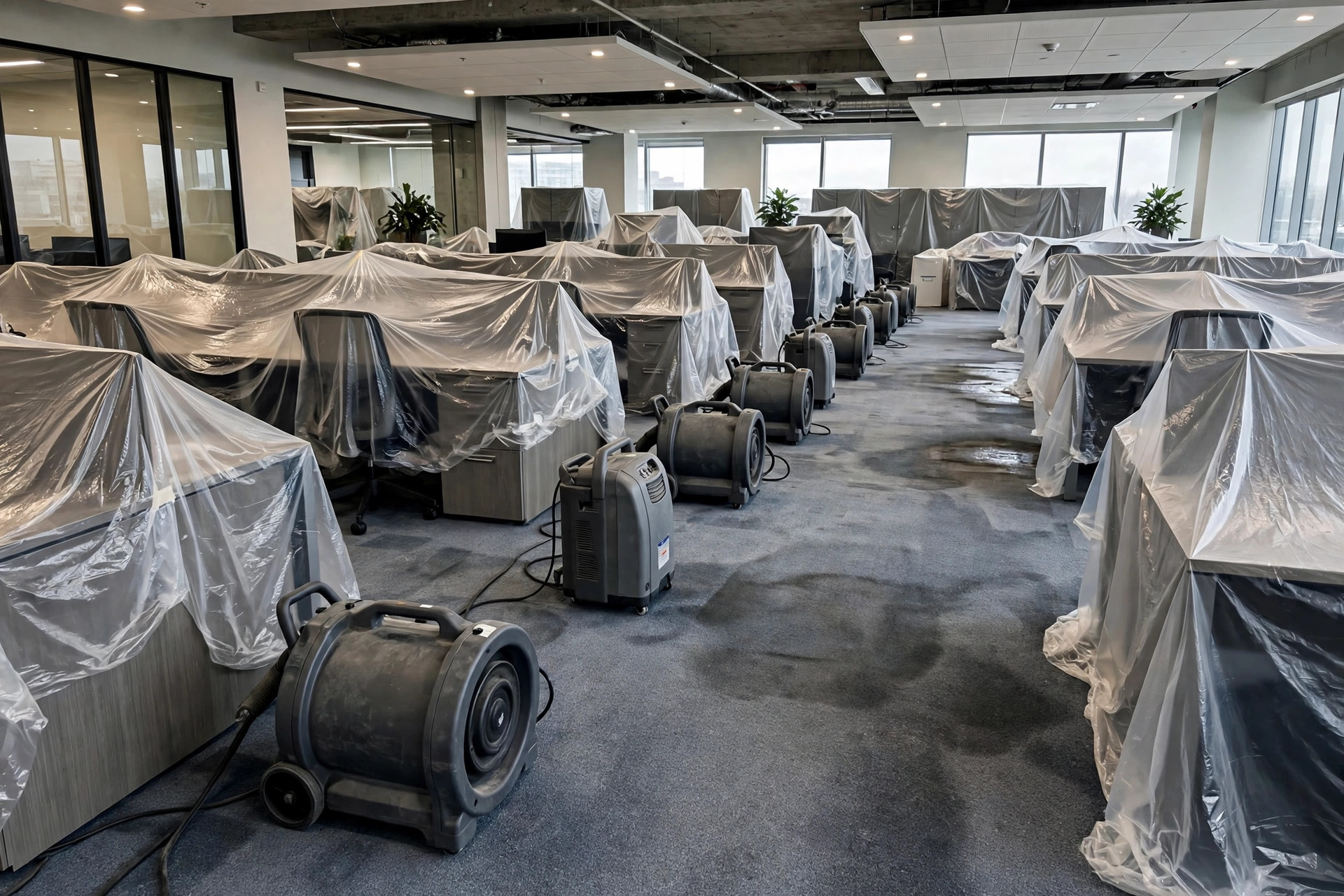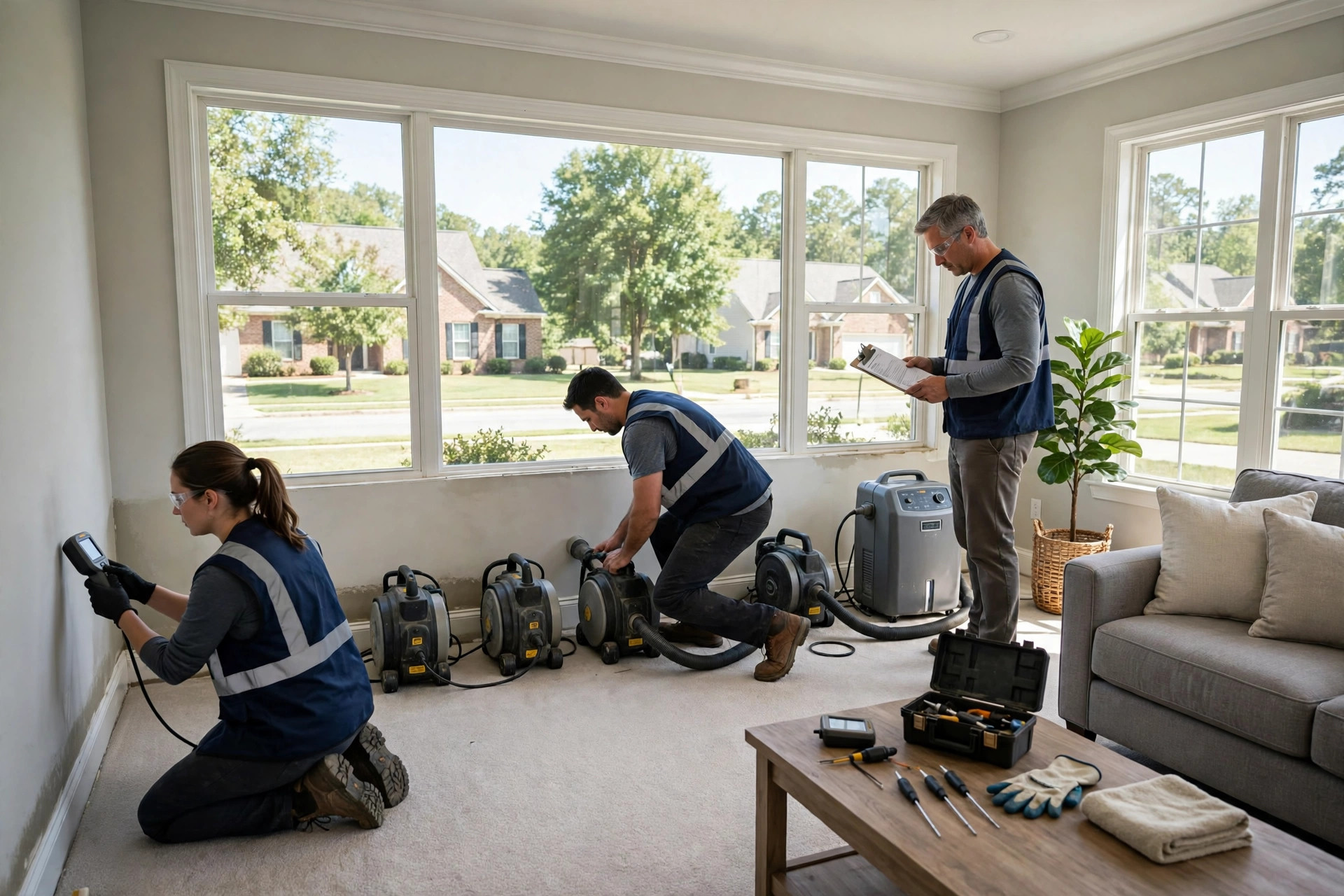
When water gets into your Buford home or business, one call starts the whole job: the source stopped, the water extracted, the structure dried and verified, and the damage repaired - by one local team, day or night.
Water Damage Restoration Buford is a water-only restoration company. Everything we do sits inside one discipline: removing water, drying structures, cleaning what water touched, and putting the property back together.
Every job runs in two phases. Water mitigation comes first - it stops the damage: the source is controlled, standing water is extracted, unsalvageable materials come out, and the structure is dried and stabilized. Restoration follows - the repairs that return the property to its pre-damage condition, including full reconstruction where the damage requires it.
Buford sits in Gwinnett and Hall counties, covers ZIP codes 30515, 30518 and 30519, and is home to more than 17,000 residents - in historic downtown homes, the subdivisions around Hamilton Mill, and lake-area properties near Lake Lanier. With the Atlanta metro averaging 49.74 inches of rain a year, water damage here is not a rare event. It is a when, and the first 24 to 48 hours decide how big it gets.
What We Do
Mitigation is the first phase of every water damage job: stop the source, extract the water, remove what cannot be saved and dry the structure until it is stable. It is the phase that decides how much damage the water is allowed to do.
Learn more about water mitigation
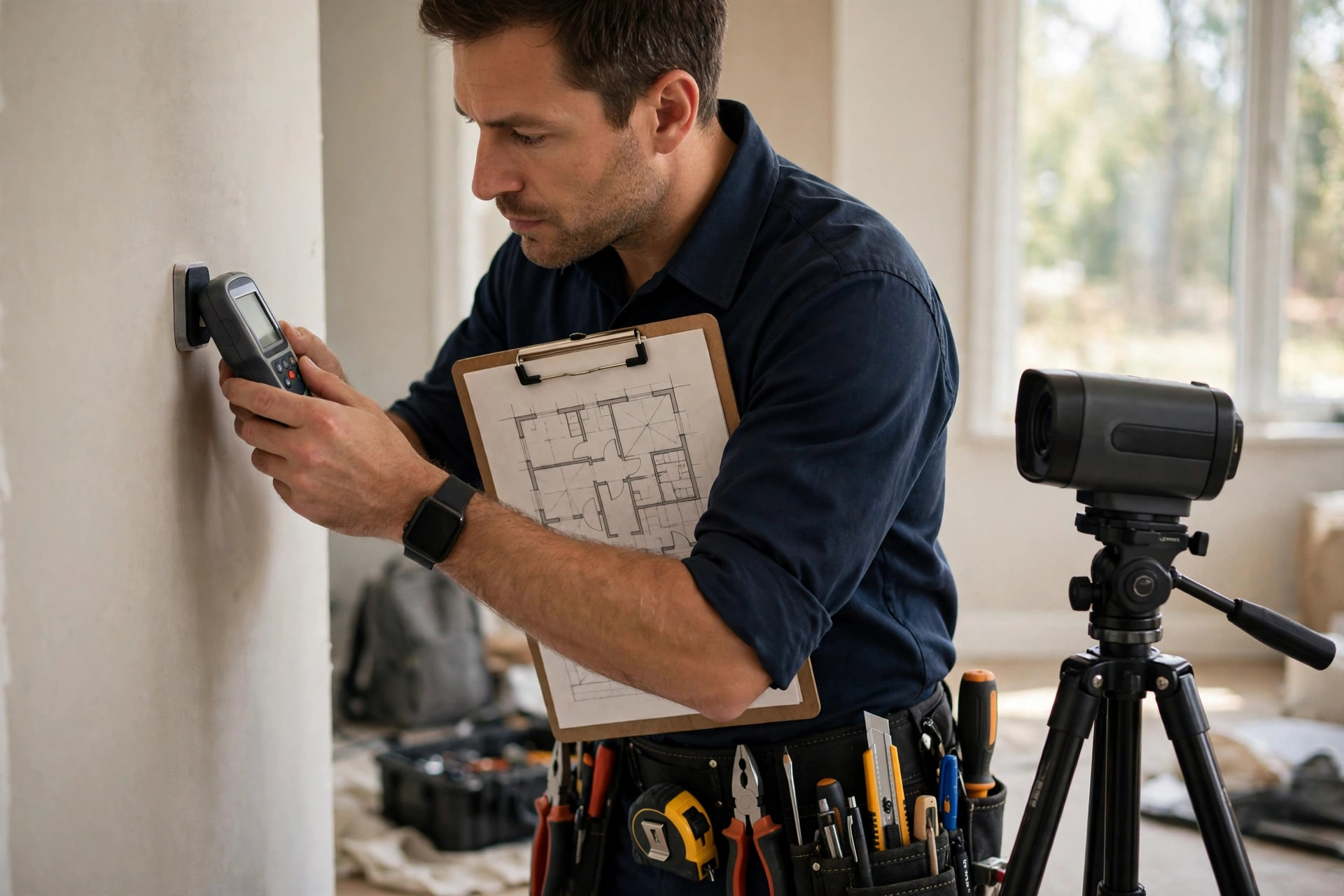
Meters, thermal imaging and a documented moisture map find the water you cannot see - inside walls, under floors and behind cabinets - and set the targets the drying plan has to hit.
Learn more about moisture detection, leak detection
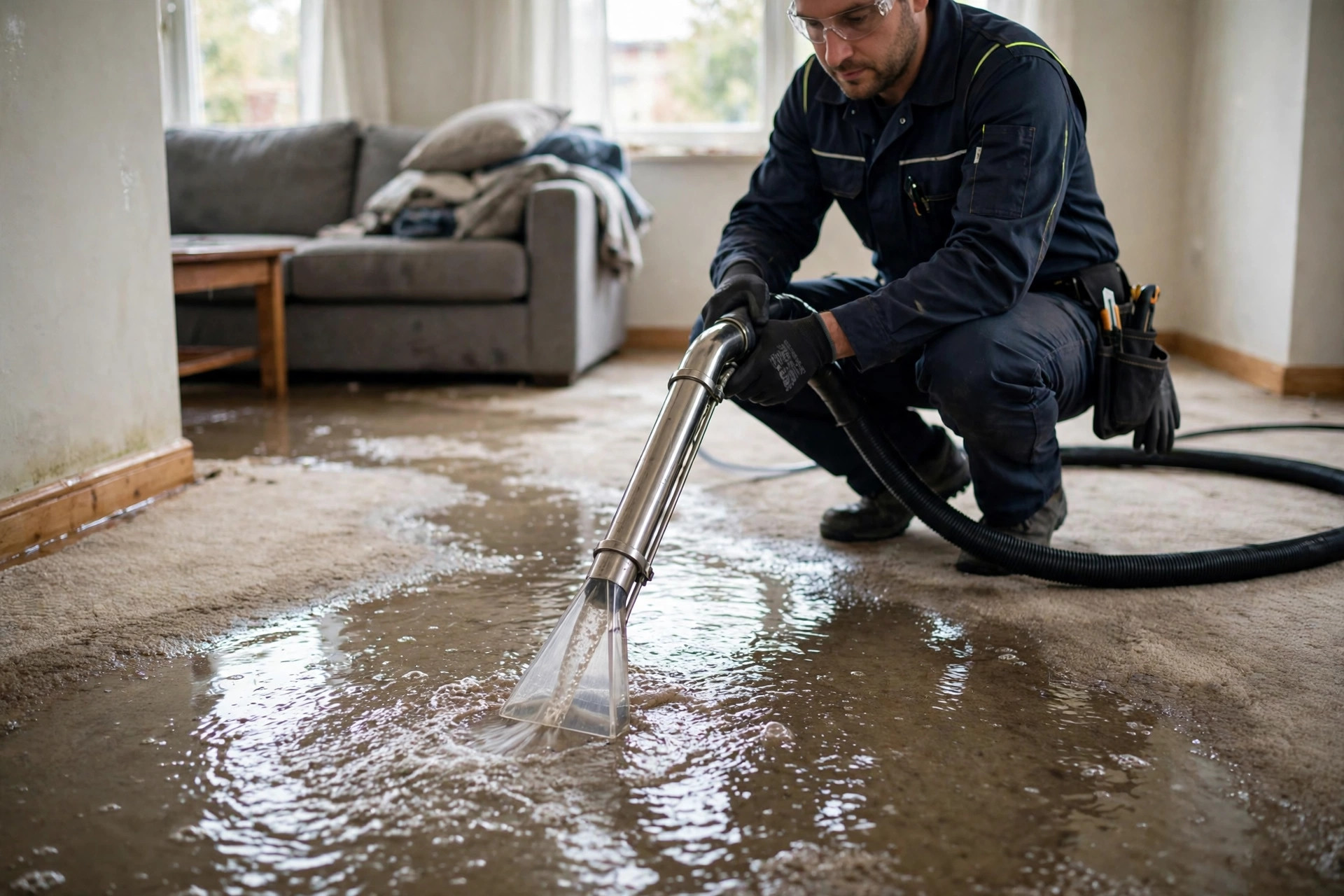
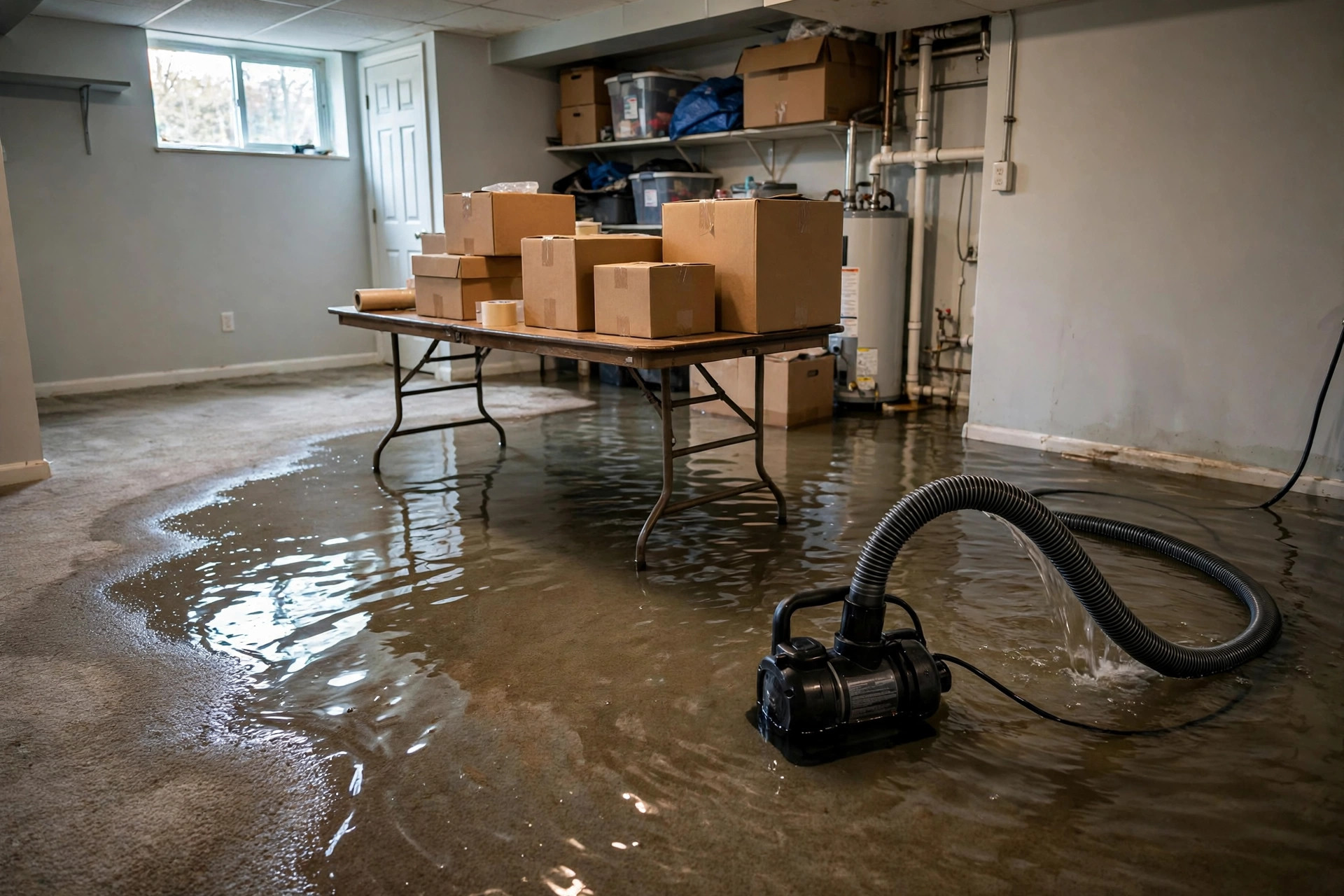
Standing water is removed on the first visit with pumps and extraction units, deepest areas first. Extraction and water removal are the same service - one visit handles both names.
Learn more about emergency water extraction
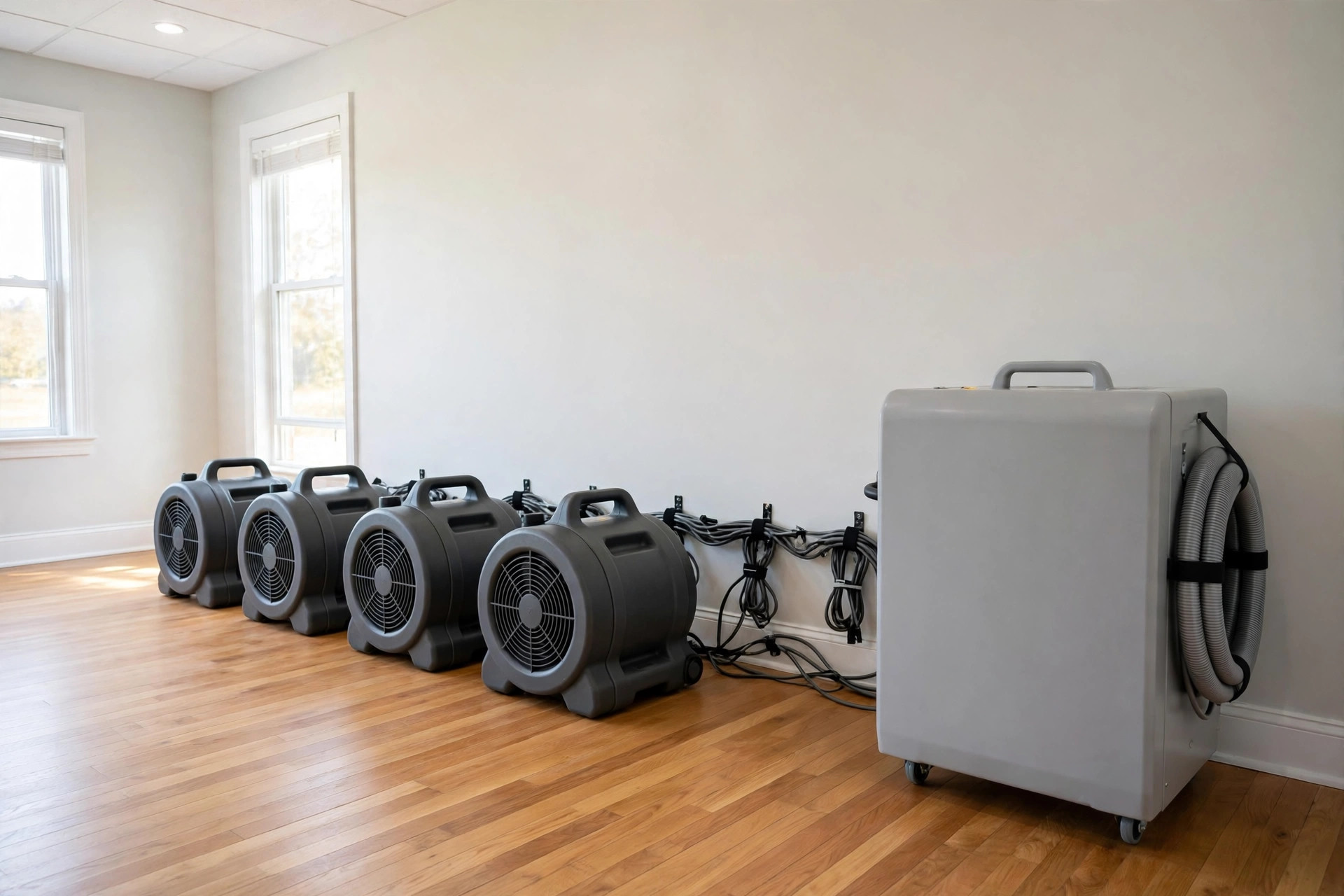
Air movers and dehumidifiers dry walls, floors and framing under daily moisture readings, until every material reaches the verified dry standard - never a guess and never just a number of days.
Learn more about structural drying
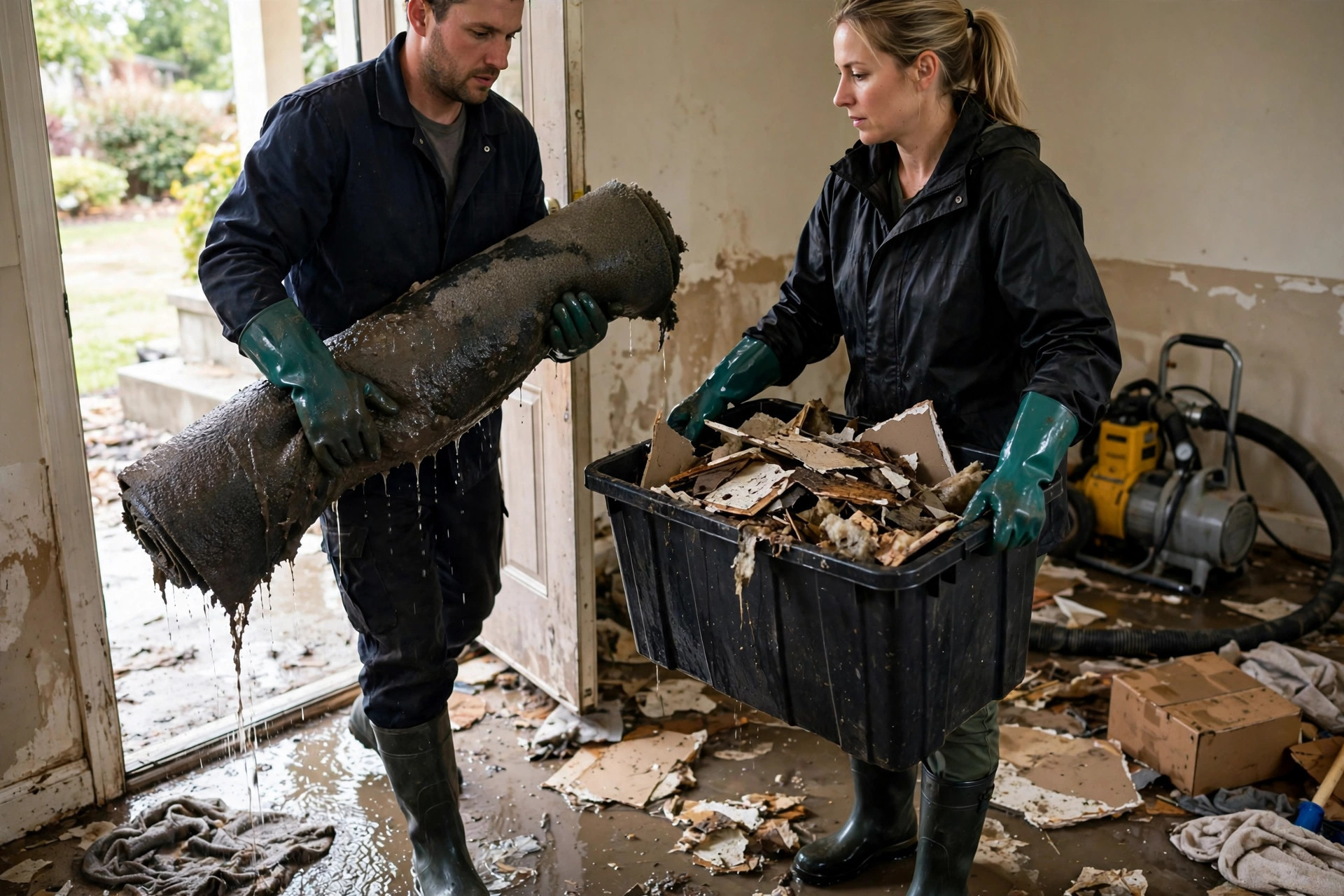
Flood water is Category 3 black water. Cleanup means extraction, debris and contaminated material removal, disinfecting, and then drying - in that order, every time.
Learn more about flood damage cleanup
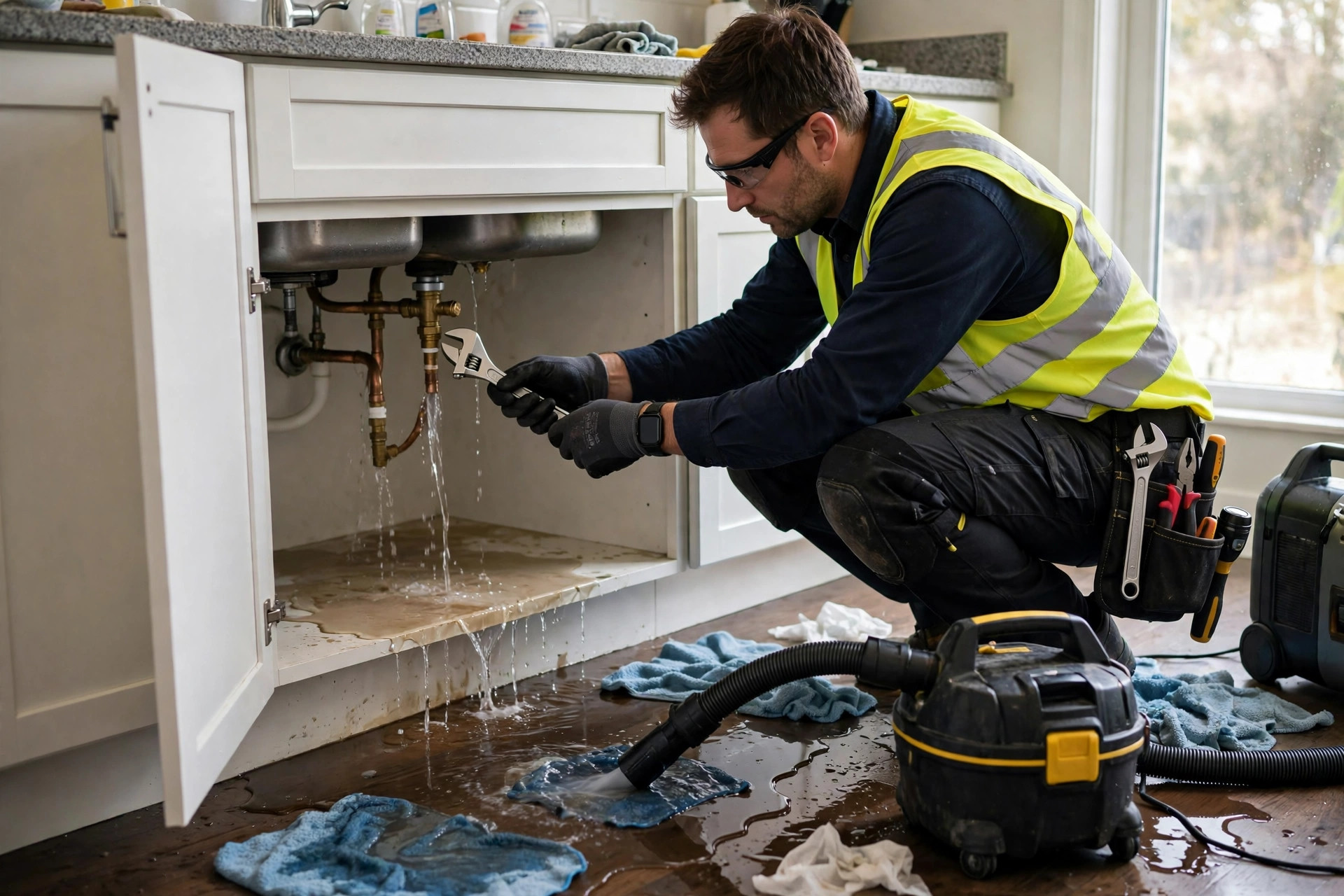
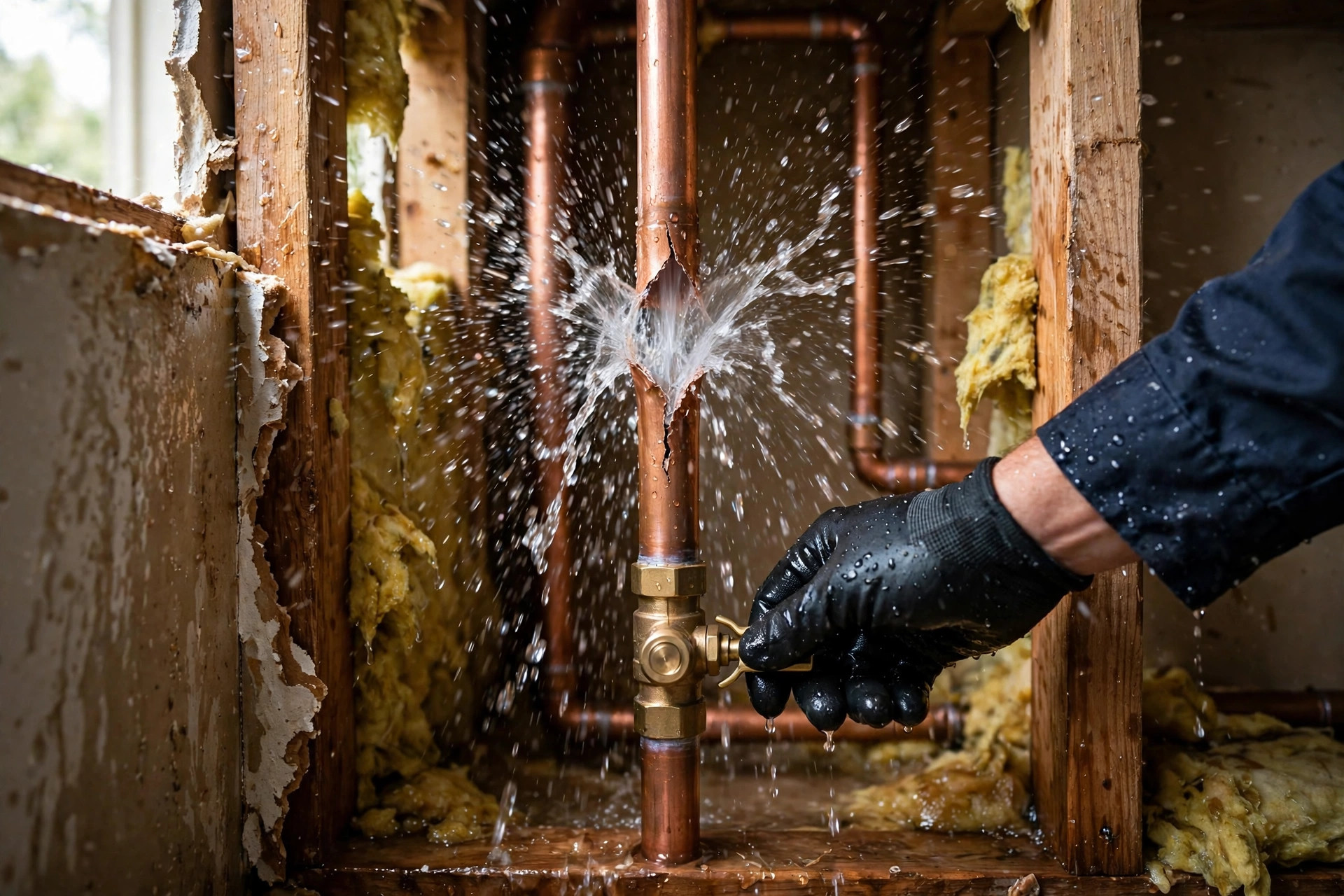
From the shut-off valve to the last moisture reading: burst pipes and leaking supply lines are extracted, the walls, ceilings and floors they soaked are dried and verified, and the damage is documented for your claim.
Learn more about burst pipe
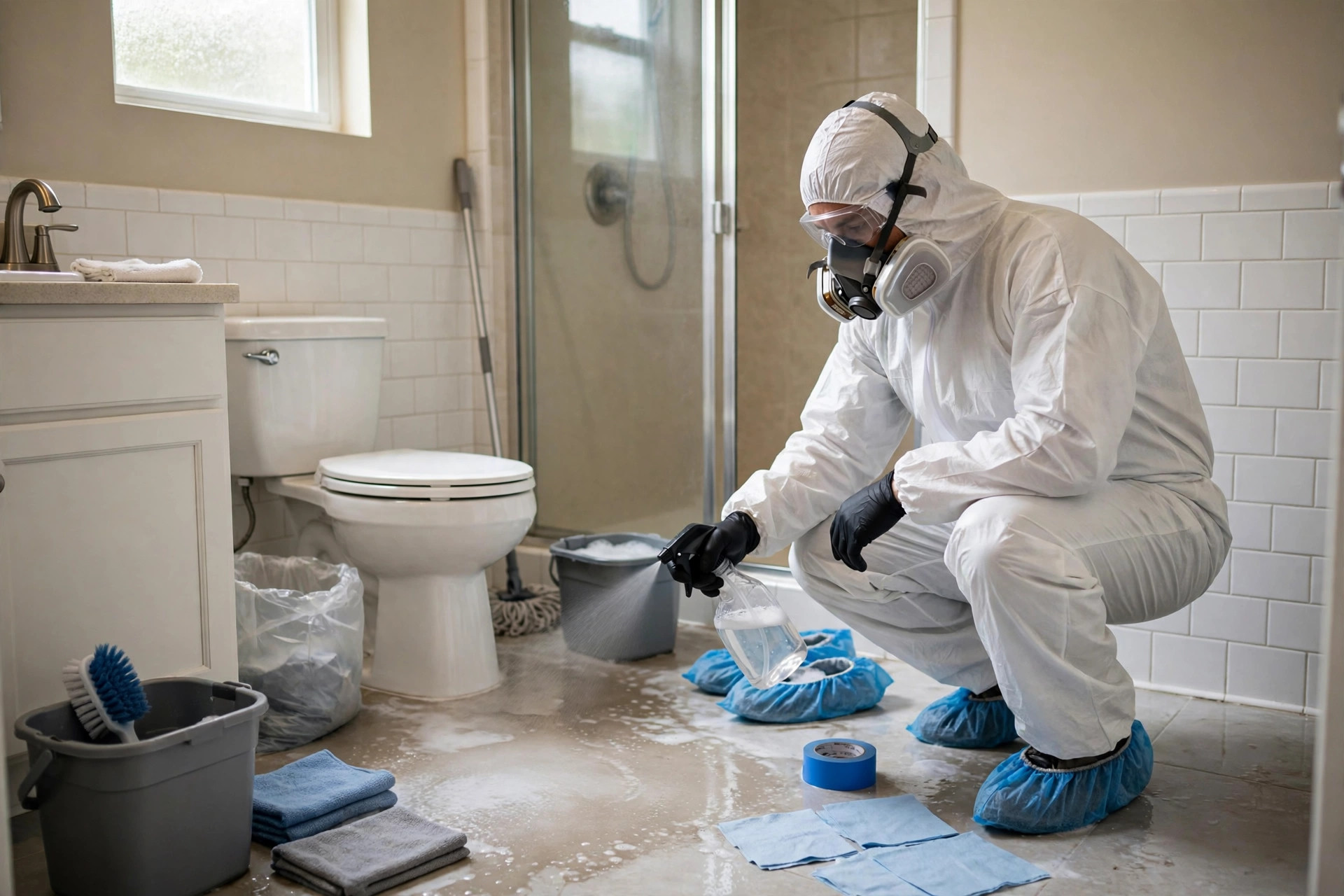
Sewage is Category 3 black water. Cleanup follows a strict order - keep the area closed, extract, remove contaminated porous materials, disinfect every hard surface, then dry and verify.
Learn more about sewage backup cleanup
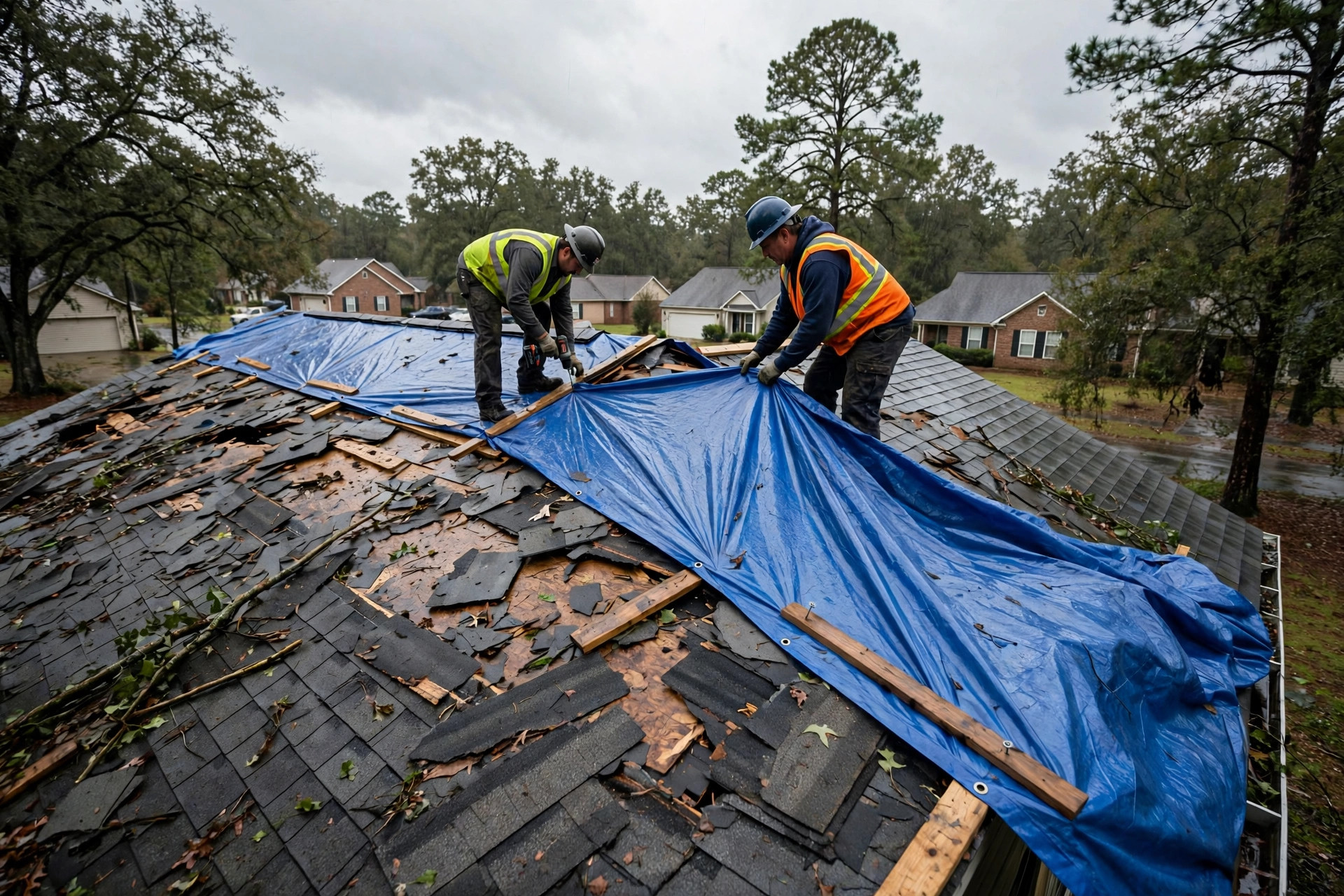
Emergency roof tarping and board-up stop storm water at the opening, then extraction, drying and documented restoration follow - built for Georgia's 49.74 inches of rain a year.
Learn more about storm damage water restoration
Basements and crawl spaces collect every kind of water - groundwater, plumbing failures, sump pump failure and flooding. We extract, dry the subfloor and structure, manage vapor, and check the entry points before we leave.
Learn more about basement
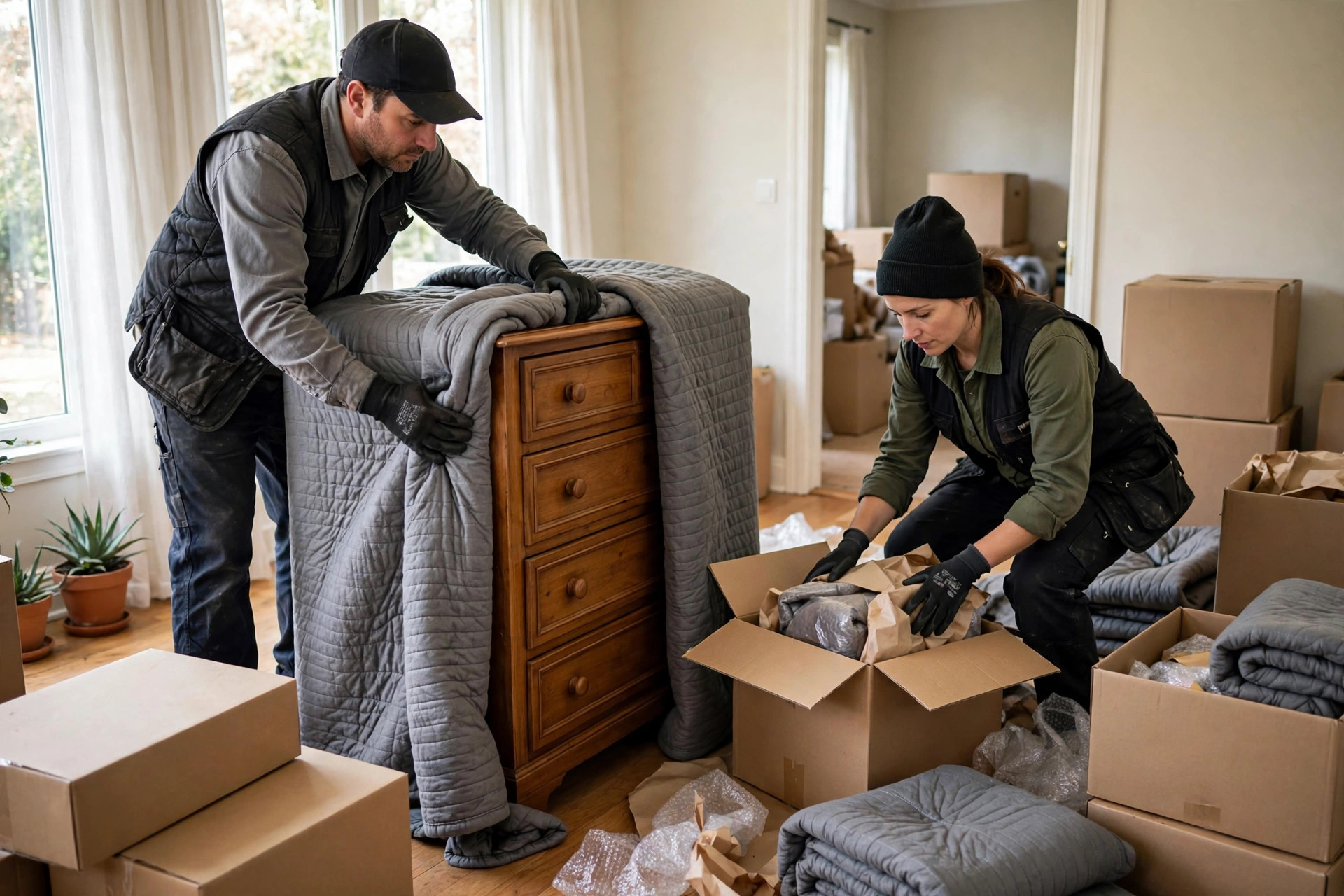
Your belongings are photographed, inventoried, packed out, cleaned and dried by material - furniture, clothing, electronics, documents and hard goods - then stored safely and returned when the property is ready.
Learn more about contents cleaning, pack-out
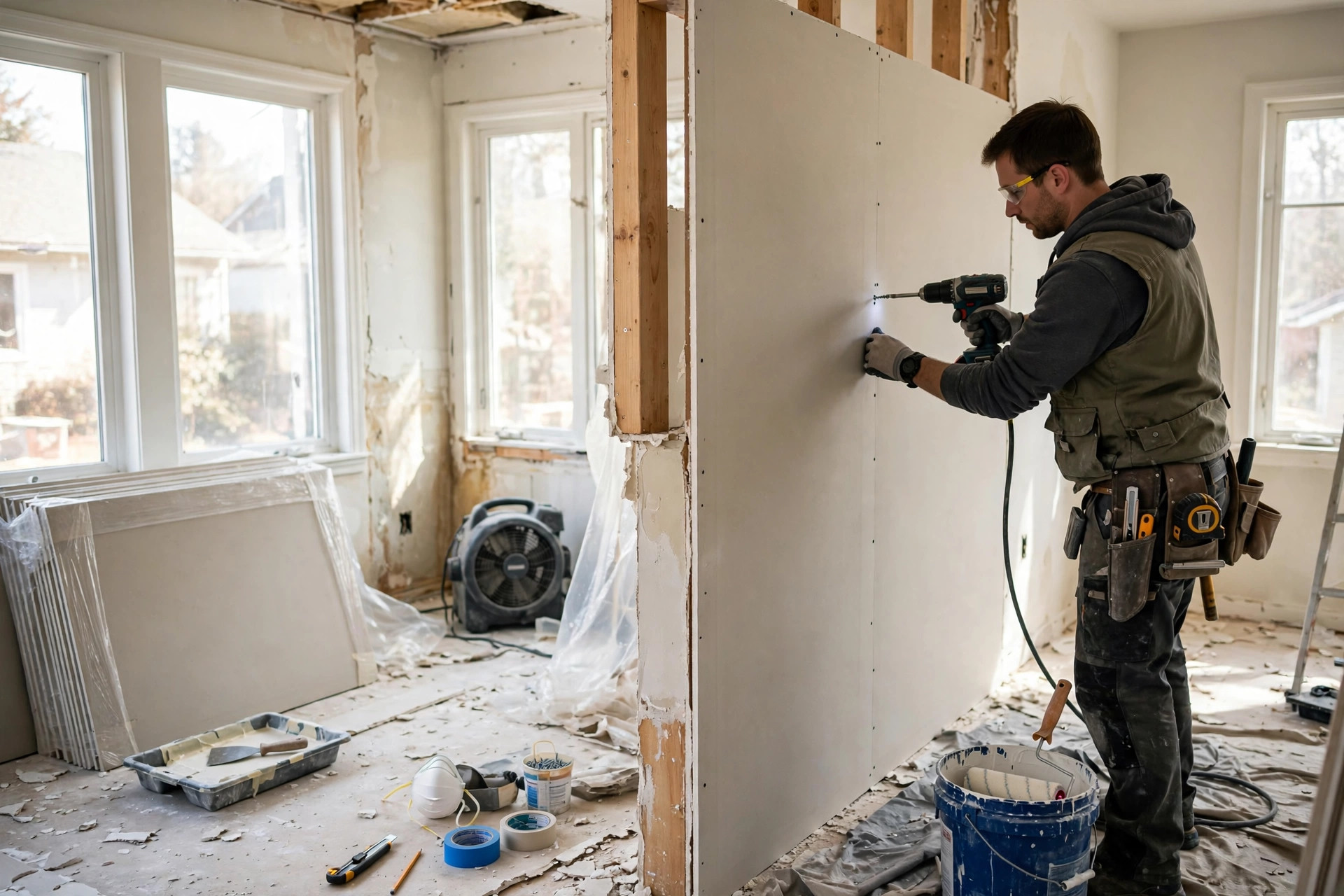
Phase two: drywall and ceilings, flooring, cabinets and baseboards, painting and refinishing - rebuilt by the same team that dried the property, from one written scope, back to pre-damage condition.
Learn more about reconstruction
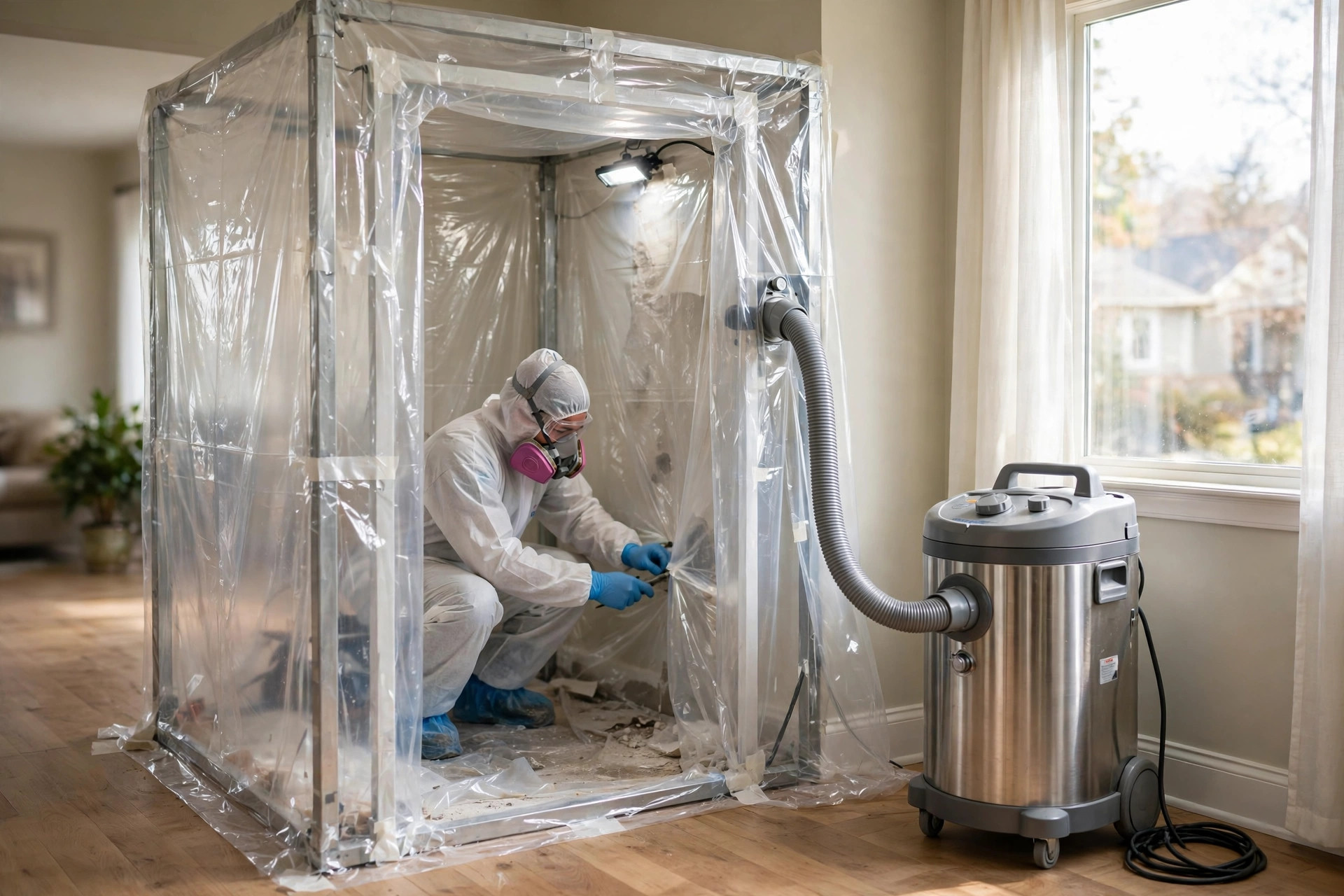
Mold is contained, filtered with HEPA air scrubbers and removed - and the moisture source behind it is corrected and verified dry, because remediation that skips the source is just cleaning.
Learn more about mold remediation after water damageMitigation starts with one call - extraction and drying are set up on the first visit. (470) 516-0618
How It Works
We identify the source, stop the water, read moisture in walls, floors and ceilings, and map the wet areas. Everything is photographed and documented from the first visit - that record is what your insurance claim is built on.
Standing water comes out, deepest areas first, with pumps and extraction units. Extraction finishes before drying equipment is placed.
Porous materials that absorbed Category 2 or 3 water are removed; clean-water materials are dried in place where readings allow. Salvageable contents are protected or packed out.
Air movers and dehumidifiers are placed from the moisture map, and readings are recorded daily until every material reaches the dry standard.
Affected surfaces are cleaned and sanitized, with antimicrobial treatment where the water category requires it, and odor is treated at its source.
A structure is only called dry when meter readings verify it. Then restoration begins: drywall, flooring, trim and paint return the property to its pre-damage condition.
Causes
Water damage in Buford comes from eight recurring causes. Each one below is answered by a service on this page - find your cause, and you have found the right response.
A pipe that cracks from pressure, corrosion or a winter cold snap releases water inside walls, ceilings and floors - the most sudden cause we respond to.
A failed water heater, a split washer hose or a leaking dishwasher line can release water suddenly, or drip slowly into subfloor and drywall for weeks.
Damaged shingles, flashing and clogged gutters let storm rain enter through the roof and ceilings of Buford homes.
Slow leaks under sinks, behind toilets and inside walls. A burst pipe is sudden; a plumbing leak is gradual - and the difference matters for drying scope and for insurance.
A clogged toilet or an overfilled tub spills water across bathroom floors and into the floor structure below.
A blocked sewer line pushes contaminated water back through toilets, tubs and floor drains. Backup water is Category 3 - the most contaminated class.
Heavy rain raises ground water; foundation cracks and failed sump pumps let it into basements and ground floors first.
A clogged condensate drain drips into ceilings, closets and air-handler surrounds - slowly, hidden, and very common in Georgia humidity.
Why Choose Us
Water damage is answered day and night, weekends and holidays - because drying that starts inside the first 24 to 48 hours is what prevents mold.
Based in Buford, serving both counties the city sits in - historic downtown homes with older plumbing, subdivision homes around Hamilton Mill, and lake-area homes near Lake Lanier.
The same team mitigates, extracts, dries, cleans, restores and reconstructs. No separate extraction company, drying company and repair contractor to coordinate.
Meters and a documented moisture map decide when a structure is dry. Equipment stays until readings meet the dry standard - the moisture level of an unaffected material in the same property.
Dated photos, moisture reading records with the moisture map, and a written scope of the damage and the work - the three documents every claim is built on.
At every step you are told what the readings found, what happens next, and when the equipment checks happen. No vague promises - the process itself keeps you informed.
Know Your Loss
Understanding your loss is the first step toward the right response. Use the guides below to identify your situation.
Water damage restoration is the process of removing water from a property, drying and cleaning its structure and contents, and repairing the damage the water caused. The actions run in a locked order - extract and remove the water, dry the structure, clean and sanitize what the water touched, and repair or restore what remains - with one goal: return the property to its pre-damage condition.
Mitigation is phase one: it limits the damage - stop the source, extract, dry - and it ends when the structure is dry and stable. Restoration is phase two: it repairs what the damage did, and it ends at pre-damage condition. Every full job runs both phases, in that order. The full comparison lives on our water mitigation page.
Extraction happens on the first visit. Drying typically takes 3 to 5 days for Class 1 and Class 2 clean-water losses; Class 3 can run about two weeks, and Class 4 dense materials 10 to 14 days. Repairs start only after the dry standard is verified by meter. Full detail on our structural drying page.
The EPA's guidance is precise: if wet or damp materials are dried within 24 to 48 hours after a leak or spill, in most cases mold will not grow. Standing water degrades a category in roughly the same period. Fast water mitigation is what keeps a loss inside the window.
Categories describe how contaminated the water is — this determines protective measures and material disposal requirements.
Source & Examples
Sanitary sources: broken supply lines, tub and sink overflows without contaminants, supply-line appliance malfunctions, rainwater.
Restoration Requires
Extract, dry in place where readings allow, verify dry.
Source & Examples
Significant contamination: washing machine and dishwasher discharge, toilet overflow with urine only, waterbed and aquarium leaks.
Restoration Requires
Extract, remove affected porous materials, clean and sanitize, dry and verify.
Source & Examples
Grossly contaminated: sewage, all surface flooding and rising water, seawater, toilet backflow beyond the trap.
Restoration Requires
Safety order first, extract, remove all porous materials the water touched, disinfect, dry and verify.
⚠️ Category is not fixed: clean water left standing degrades — Category 1 can worsen toward Category 2 in about 24 to 48 hours, and untreated Category 2 toward Category 3. That degradation clock is the scientific reason speed matters.
Classes measure how much water a structure absorbed — this determines drying difficulty and timeline.
Part of a room, low-porosity materials
Shortest drying, inside the typical 3 to 5 day range
A whole room: carpet, pad, walls and contents
Typically 3 to 5 days with professional equipment
Ceilings, walls, insulation and subfloor saturated
Can extend to about two weeks
Dense materials: hardwood, plaster, concrete
Special methods, 10 to 14 days or longer
Questions
Yes. Water damage left wet causes mold growth, which is why the EPA's prevention window matters: if wet or damp materials are dried within 24 to 48 hours after a leak or spill, in most cases mold will not grow. Extraction plus verified structural drying inside that window is the prevention.
Sudden and accidental water damage - a burst pipe is the standard example - is the type homeowners policies are generally built to cover. Flooding is different: it is excluded from standard homeowners policies and needs a separate flood policy. Sewage backup is generally covered only if a rider or endorsement was purchased, and gradual leaks and maintenance problems are generally not covered. Every policy differs, and your carrier makes the coverage decision - our job is the documentation your claim is built on: dated photos, moisture readings and a written scope.
Stop the water at the main valve. Photograph and document the damage before cleanup. Move contents out of the water where it is safe to do so. Keep people and pets out of contaminated areas. Then call a water damage restoration service - in that order.
Turn the water off first, at the main valve. With electricity, follow the CDC rule: never turn power on or off yourself, and never use an electric tool or appliance, while standing in water. If water sits between you and the breaker panel, do not step in it to reach the switch - wait, or call a qualified electrician.
It depends on the water and the power. A small clean-water loss in one room, with power safely off to that area, is different from standing water with live power or any sewage-contaminated water - floodwater may contain sewage, and contact can cause diarrheal disease such as E. coli or Salmonella infection. When the category is contaminated or the electrical situation is unclear, stay out of the affected area until it has been assessed.
A small, clean-water spill on a surface, caught immediately, is something a homeowner can start drying. A professional is needed when any of these is true: the water is Category 2 or 3, water has entered walls, ceilings or floors, the wet area is larger than one small room, dense materials like hardwood are involved, or sewage is present in any amount. Starting fast yourself does not replace meter verification - a structure is dry when readings prove it.
Water damage comes from water inside the property - pipes, appliances, roofs. Flood damage is rising water from outside. Under the FEMA/NFIP definition, a flood is a general and temporary inundation of two or more acres of normally dry land, or of two or more properties - a burst pipe in one home does not meet that definition. The cleanup process is similar; insurance treats the two very differently.
Extraction happens on the first visit. The drying phase that follows typically takes 3 to 5 days for clean-water Class 1 and Class 2 losses with professional equipment; Class 3 losses can run about two weeks and Class 4 dense materials 10 to 14 days. A structure is dry when moisture readings reach the dry standard - verified by meter, not by calendar - and repairs start after that verification.
Five habits prevent most of the losses on this page: inspect the water heater on schedule, replace washing machine hoses before they age out, clean gutters and downspouts, test the sump pump, and insulate exposed pipes before winter cold. Add one number: keep indoor humidity below 60 percent - ideally between 30 and 50 percent - as the EPA recommends. The full system is in our water damage prevention guide.
Service Areas
All of Buford - ZIP codes 30515, 30518 and 30519 - across Gwinnett and Hall counties: 5,356 households, 68.2% of them owner-occupied.
Listed nearest first: Sugar Hill, Suwanee, Flowery Branch, Duluth, Oakwood, Lawrenceville, Braselton and Gainesville.
If your Buford home or business has water damage, one call starts mitigation, extraction, drying and restoration - in that order, today.