Serving Buford, GA and surrounding areasOpen 24 Hours, Every Day  ·  (470) 516-0618
Call (470) 516-0618
hands carefully wrapping a framed photograph for contents pack-out
Home › Contents Restoration

Contents Cleaning, Pack-Out and Restoration in Buford, GA

Your belongings, handled like evidence and like heirlooms at the same time: photographed, inventoried, packed out, cleaned and dried by material - and documented honestly when an item cannot be saved.

Call (470) 516-0618

Contents restoration is the inventorying, packing out, cleaning, drying and returning of a property's belongings - furniture, clothing, electronics, documents and household items - after water damage.

Structures get dried by readings. Belongings get decided item by item, and the deciding fact is usually the water's category. This page shows the process, the decision table, and the special case of paper - the fastest-decaying thing you own.

What Is Contents Restoration?

Contents restoration is the inventorying, packing out, cleaning, drying and returning of a property's belongings - furniture, clothing, electronics, documents and household items - after water damage.

Two terms carry the page. A pack-out is the organised removal of contents to be treated and stored while the structure is restored. Contents means movable belongings - the structure itself belongs to the other services. Between those two definitions sits the whole discipline: everything that can be moved is accounted for, and everything accounted for gets a decision.

Contents Restoration Process: 5 Steps

1

Inventory and Photo Documentation

Every affected item is photographed and listed before it moves. The inventory is two documents in one: the treatment plan, and the insurance record - item-level, tagged by room, so pack-back returns things to their places.

2

Pack-Out and Transport

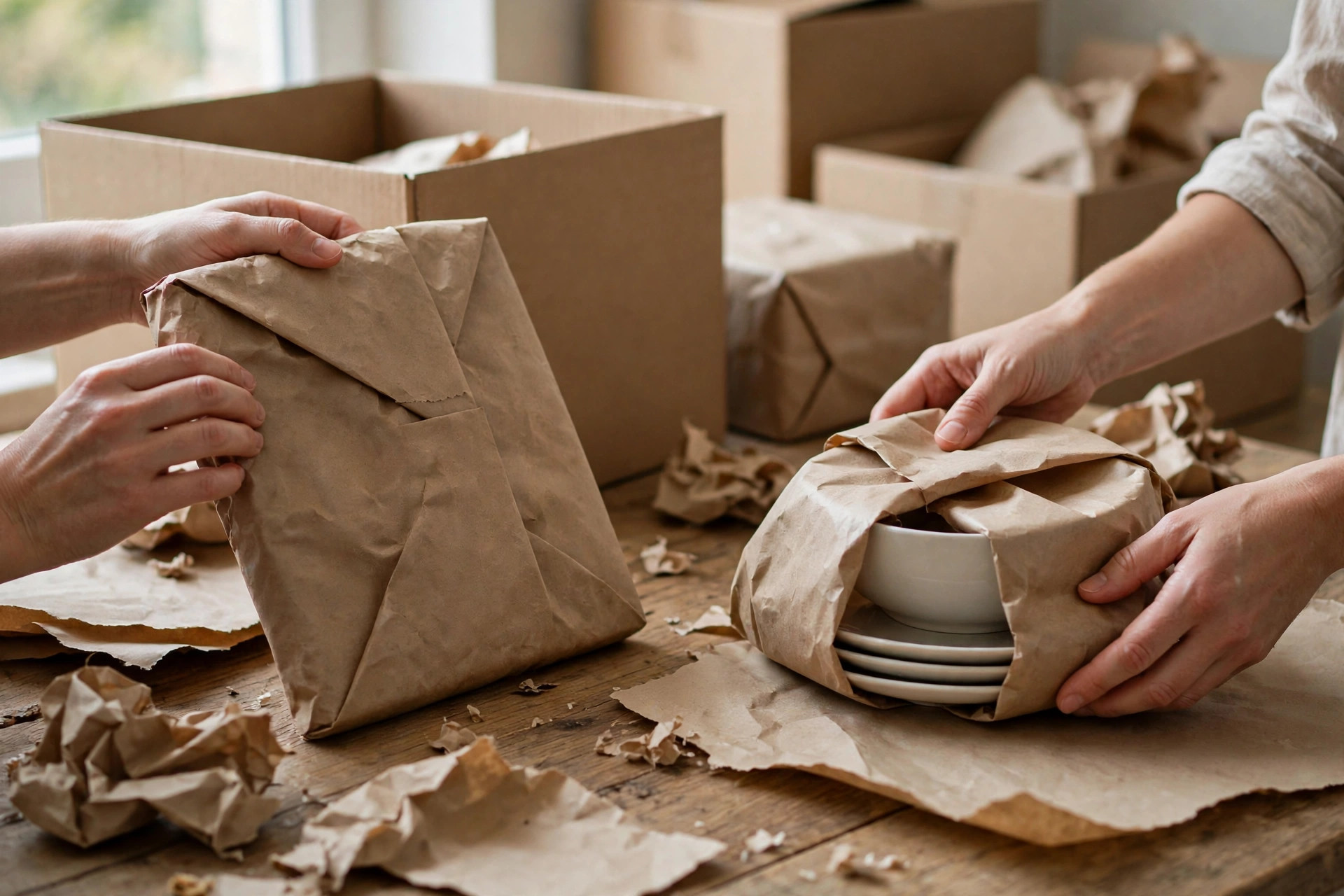
Salvageable contents leave the wet environment fast - wet textiles and paper degrade on the same clock as structures. Pack-out has a second, practical purpose: drying equipment, demolition and reconstruction all need the rooms clear.

3

Cleaning and Drying by Material

Each class is treated by its own method - the situations list below is this step expanded. One rule governs all of them: the water's category decides how much of the class is treatable, and the decision table below shows how.

4

Deodorizing and Odor Treatment

Odor is treated in the cleaned items themselves - water and microbial odor live longest in textiles and upholstery. An item that cannot be deodorised is documented for the claim, never quietly discarded.

5

Storage and Pack-Back

Treated contents are held in secure storage until the structure is verified dry and reconstruction is complete. Pack-back follows that gate, never precedes it - then items return to their tagged rooms and the list is reconciled against step one.

What Contents Can Be Restored After Water Damage?

Furniture - Wood, Upholstered and Antique Pieces

Wood furniture is often cleanable and dryable when the water was clean and the response fast; veneer and joinery are its limits. Upholstery is porous, and Category 2 or 3 exposure usually ends it. Antiques and sentimental pieces are assessed individually - the exception rule, applied openly.

Clothing, Curtains and Textiles

Washable textiles are a restoration strength: laundering, drying and deodorizing return most of them. Colour-run and contamination are the stated limits, and Category 3 textiles follow the porous canon.

Electronics and Appliances

The safety-led class. Wet electronics are never powered - assessment proceeds by drying state and water category. A device can fail while the question of its data is a separate, specialist one; we state that honestly rather than claim a service we do not list.

Documents, Books and Photographs

The time-critical class. Wet paper is stabilised fast - air drying for light wetting, and freezing to pause damage in soaked or valuable material. Photographs are handled wet: a photo allowed to dry stuck to another is usually lost to both.

Kitchenware, Toys and Hard Household Goods

The cleanable class: hard, non-porous items are washed, disinfected at the level the category requires, and dried. The highest save rate on this page, stated plainly.

Restore or Replace? The Decision by Item and Water Category

The category of water - set at the moment of the loss, not by preference - decides most of this table before any item is touched. Three verdicts only: Restore, Assess individually, Replace.

Item ClassCategory 1 (Clean)Category 2 (Gray)Category 3 (Black)
Hard goods (kitchenware, toys, sealed items)RestoreRestore after disinfectingRestore after disinfecting
Clothing and washable textilesRestoreAssess individuallyReplace
Upholstered furnitureRestoreAssess individuallyReplace
Wood furnitureRestoreAssess individuallyAssess individually
Documents, books, photographsRestoreAssess individuallyAssess individually
ElectronicsAssess individuallyAssess individuallyAssess individually

Document and Photo Drying: Saving Paper Before It Sets

Wet paper bonds to itself, inks run, and mold follows inside the same 24 to 48 hour window that governs structures - documents are the fastest-decaying contents class, which is why they are pulled first in any pack-out.

The methods, plainly: careful separation and air drying for lightly wet items; freezing to stabilise soaked or high-value documents - freezing pauses the damage and buys decision time - with freeze-drying as the specialist drying method for that class. Photographs follow one counterintuitive rule: keep wet photos wet until they can be separated and dried properly. No recovery is guaranteed on this page; assessment decides, here as everywhere.

Should Contents Be Removed From the Property During Restoration?

In most structural jobs, yes - for two reasons, in this order. First, for the contents' own sake: a wet structure is the worst storage environment there is - humidity, category exposure and the mold window all work on belongings left inside it. Second, for the work's sake: drying equipment, demolition and reconstruction need the rooms clear, and pack-out is what lets all three run faster.

The exception, with its criteria: a small, single-room Category 1 loss, where items can be moved within the home to a verified-dry room, does not need a pack-out. 'Always' is not claimed, because it is not true.

How Long Does Contents Restoration Take?

Contents run on their own clock, parallel to the structure's. Cleaning and drying of most classes completes in days; storage lasts exactly as long as the structure needs - drying plus reconstruction, gated at pack-back. Documents are the exception in both directions: stabilised within hours, specialist drying longer. A property's real timeline is stated at the inventory, where the items are known - not estimated here, where they are not.
Contents Restoration Questions

Are damaged belongings covered by homeowners insurance?

Personal property is generally covered for the same sudden-and-accidental water events as the structure - subject to your policy's personal-property terms and limits - and flood excludes belongings exactly as it excludes the building, absent flood cover. The photographed inventory from step one is the document a contents claim is built on; your carrier decides the claim it supports.

Can wet electronics be saved?

Sometimes. The decision turns on how wet the item got, which category the water was, and whether power was applied while it was wet - the never-power rule comes first. Items are assessed individually after controlled drying. Data on a device that does not survive is a separate specialist question, and we say so rather than imply otherwise.

What happens to items that cannot be restored?

They are photographed, listed in the inventory with their condition, and held for the owner's and insurer's decision. Nothing is discarded silently during a pack-out - the documentation discipline that opens the job protects the items that cannot be saved, too. It is a short answer because it is a hard rule.

Protecting Belongings Before Water Damage Happens

Related Water Damage Services in Buford

Why Buford Chooses Us for Contents Restoration

24/7 emergency response, every day of the year

Local Buford team for Gwinnett and Hall counties

One team from mitigation to final restoration

Drying verified by moisture readings and moisture mapping

Documentation prepared for your insurance claim

Clear next steps and updates at every stage

Contents Restoration Service Areas Near Buford, GA

Historic Downtown BufordHamilton MillMall of Georgia areaBogan Park areaLake Lanier Islands areaBuford Dam area
Sugar Hill, GASuwanee, GAFlowery Branch, GADuluth, GAOakwood, GALawrenceville, GABraselton, GAGainesville, GA

Based in Buford (ZIPs 30515, 30518, 30519), serving Gwinnett and Hall counties. The full service-area treatment is on the homepage.

Get 24/7 Contents Restoration in Buford - Call Now

If your Buford home or business needs contents restoration, one call starts the work today - (470) 516-0618.

Call (470) 516-0618